
Best Vegetables for Guinea Pigs: Safe Choices & Feeding Guide
Quick answer
Key facts
Guinea pigs need unlimited hay first, then a rotating mix of safe vegetables for vitamin C, hydration and variety. Bell peppers and leafy greens are strong daily options; sweeter produce and unsafe plants need strict limits.
- Hay remains the foundation; vegetables support vitamin C and moisture.
- Bell peppers are among the most useful vitamin C-rich daily choices.
- Rotate greens rather than serving the same vegetable every day.
- Never offer onion, garlic, potato plants, or tomato leaves and stems.
Choosing the right vegetables for your guinea pig is not simply about adding colour to the bowl. The right choices provide vitamin C, hydration and variety, while hay remains the foundation of a balanced diet. Portion size also matters because some fresh produce contains more sugar or calcium than others.
A useful routine combines unlimited hay, measured pellets, fresh water and a rotating selection of produce. This gives your pet variety without allowing fresh ingredients to replace the fibre-rich part of the diet. For the full daily pattern, see our everyday guinea pig feeding plan and the main feeding guide.
Bell peppers
Strong daily vitamin C without treating them like a sweet snack — rotate red, yellow and green.
Leafy greens
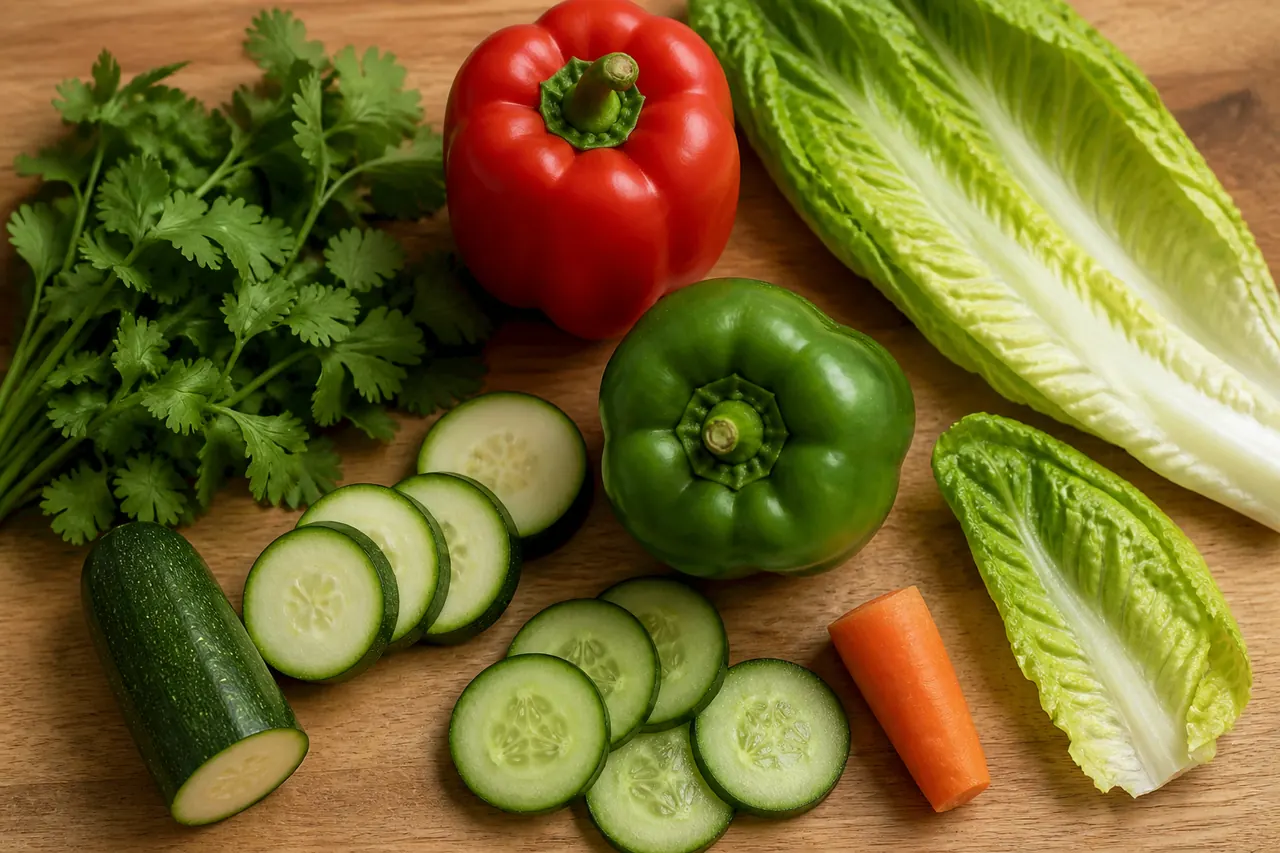
Romaine, coriander and similar greens work best as a rotation, not the same leaf every day.
Hydrating veg
Cucumber and courgette add moisture, but they never replace a clean water bottle or bowl.
Why Fresh Produce Matters in a Guinea Pig Diet
Guinea pigs need a plant-based diet with plenty of fibre. Hay does most of the heavy lifting, but fresh food adds nutrients, moisture and different textures. Fresh produce is especially useful for supplying vitamin C because a guinea pig cannot produce this vitamin naturally.
It also adds water to the diet, although it should never replace drinking water. A varied selection can support overall health and make feeding more interesting for your pet.
The key is balance. Too much of one ingredient can crowd out other nutrients, while sudden changes may disturb the digestive system. Introduce new foods gradually and watch your guinea pig's appetite and droppings.
Vitamin C Rich Choices for Guinea Pigs
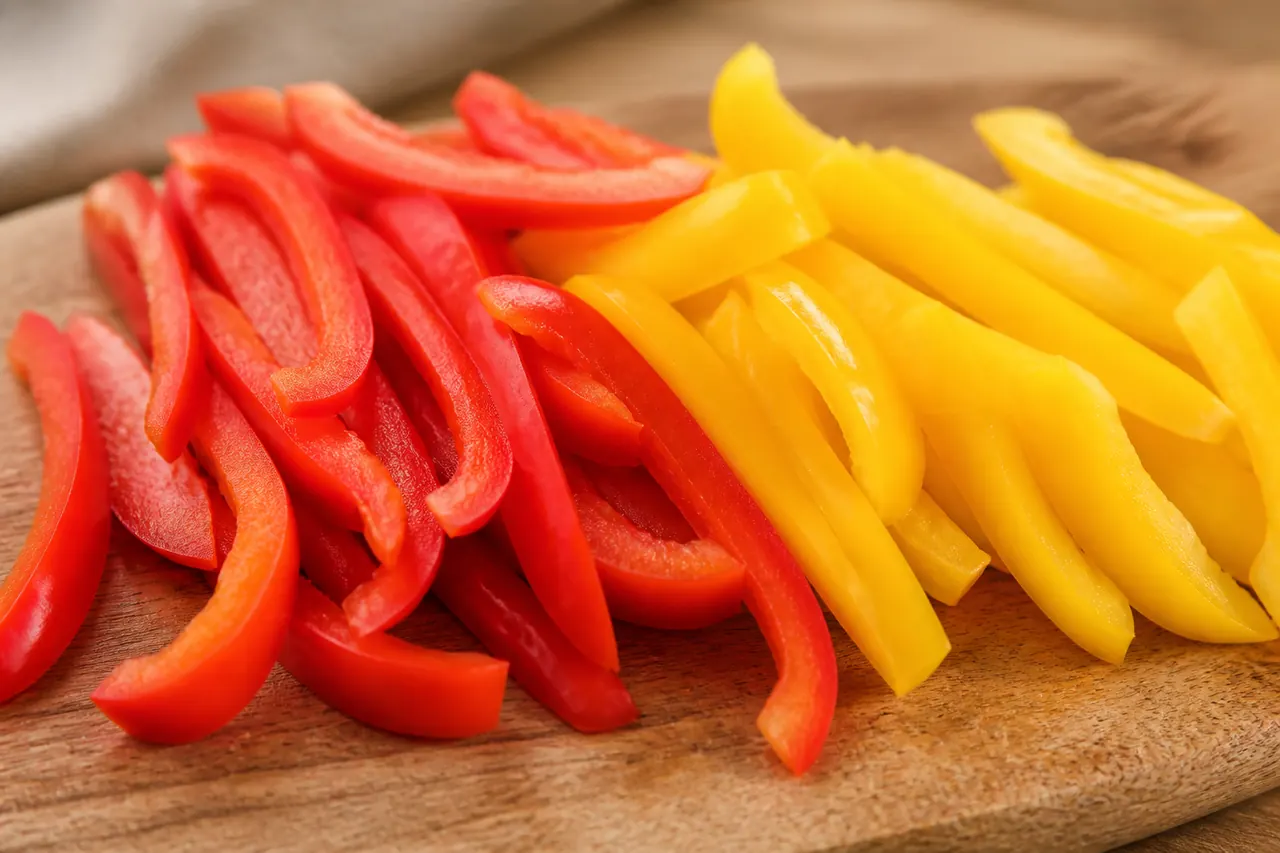
Bell peppers are one of the most useful additions to the daily rotation because they provide vitamin C without needing to be served as a sweet treat. Red, yellow and green peppers can all add variety.
Leafy greens can also contribute useful nutrients. Romaine lettuce, coriander and other suitable greens can be rotated rather than relying on the same item every day. Different choices have different nutritional profiles, so variety is more useful than trying to find one perfect option.
A guinea pig needs a regular dietary source of vitamin C. Pellets formulated specifically for guinea pigs may also contain it, but fresh produce remains valuable. Vitamin levels in stored pellets can decline over time, which is another reason to consider the complete diet rather than a single source. Our vitamin C guide covers daily needs and common mistakes in more detail.
Everyday Vegetables and Portion Control
Cucumber, bell pepper, romaine lettuce, courgette and coriander are practical options to rotate. Carrot and celery can also be offered, but portion and frequency should reflect their nutritional profile.
Carrot contains more natural sugar than many green vegetables, so it is better offered in a smaller amount. Celery has a high water content and can be cut into manageable pieces before serving. Produce should always be washed and any spoiled sections removed.
A simple serving can combine two suitable choices rather than filling the bowl with many unfamiliar ingredients at once. This makes it easier to identify the cause if your pet develops soft droppings or refuses a particular item.
Remember that this is only one part of the overall guinea pig diet. Unlimited hay should remain available, with appropriate pellets and clean drinking water completing the daily routine.
- Pick two familiar optionsCombine a couple of suitable vegetables rather than filling the bowl with many new ingredients at once.
- Wash and portionRinse produce, remove spoiled sections, and keep sweeter items like carrot in smaller amounts.
- Watch droppings and appetiteIntroduce one new item gradually so soft stools or refusals are easier to link to a cause.
| Vegetable | How to offer |
|---|---|
| Bell pepper | Strong daily vitamin C option; rotate colours |
| Romaine / coriander | Rotate leafy greens for variety |
| Cucumber / courgette | Useful hydration; keep portions moderate |
| Carrot | Smaller portions — higher natural sugar |
| Celery | Cut into manageable pieces; part of a rotation |
Plants and Ingredients to Limit or Avoid
Not every vegetable or garden plant is appropriate. Onion and garlic should not be offered, and highly processed human food has no place in their food. Potato plants and other unsafe garden varieties should also be kept out of reach.
Tomatoes show why the specific part of a plant matters. Ripe tomato fruit may be offered in moderation, but its leaves and stems should not be fed. When you are unsure about a new plant, check its safety before allowing your pet to eat it.
Sweet produce also needs portion control. Too much sugar can make fruit and sweeter choices less suitable for frequent feeding. Fruits are therefore better treated as occasional treats rather than replacements for everyday greens — see best fruits for guinea pigs.
Avoid making abrupt changes to the menu. A small amount of one new ingredient at a time gives the digestive system a chance to adjust and makes reactions easier to spot.
How Fresh Choices Fit With Hay, Pellets and Water
Fresh food works best as one part of a complete feeding routine. Hay should be available throughout the day because its texture encourages prolonged chewing. This is important for growing teeth and dental health as well as normal digestion.
Plain guinea pig pellets can provide additional nutrition, but they should not become the largest part of the menu. Avoid muesli-style mixes that encourage selective eating, where a pig picks preferred pieces and leaves the rest.
Water is equally essential. Keep a clean supply available at all times and check bottles or bowls daily. Your pet still needs drinking water even when cucumber, lettuce or other moisture-rich ingredients are being served.
Good care also means watching the animal rather than focusing only on a feeding chart. Changes in weight, appetite, droppings or chewing behaviour can signal a health problem. If your guinea pig suddenly stops eating or seems unwell, contact a vet promptly — and use the health guide to recognise urgent signs.
Frequently asked questions
- Can I give the same vegetable every day to guinea pigs?
- It is better to rotate suitable options. Variety prevents one ingredient from dominating the diet and exposes your pet to a broader range of nutrients. Keep familiar safe choices in the rotation and introduce anything new gradually.
- Should fresh produce be served raw or cooked?
- Raw produce is generally the appropriate choice. Cooked dishes may contain oils, salt, sauces or seasonings that are unsuitable for small animals. Wash everything before serving and remove leftovers before they spoil.
- Can guinea pigs eat carrots or celery?
- Yes, both can be included in appropriate portions. Carrots contain natural sugar, so keep servings modest. Celery can be offered in small pieces as part of a varied rotation rather than as the main ingredient.
- Do baby and adult guinea pigs need the same greens?
- Their nutritional needs can differ by age and life stage. Young animals may have different calcium and protein requirements from healthy adults. If you are caring for a baby, pregnant animal or a pet with a medical condition, ask a vet about suitable feeding adjustments.
- Can I grow safe greens for my guinea pig at home?
- Yes, growing suitable herbs or greens can provide additional variety, provided they have not been treated with pesticides or other harmful chemicals. Always confirm that the specific plant is safe before offering it to your pet.
- How do I know if a new ingredient does not suit my pet?
- Watch for reduced appetite, soft droppings, bloating or unusual behaviour after introducing something new. Stop the new item if problems appear. Persistent symptoms, pain or refusal to eat require veterinary care.